
How to Choose the Right Size Skip Bin
Choosing the right skip bin size comes down to the type of waste, how much you have, and how easily it can be loaded. For Adelaide builders, renovators, households, and businesses, the right bin can save time, reduce costs, and make waste removal far simpler. If you’re looking to hire a skip bin in Adelaide, it’s useful to explore the available skip bin sizes before you book.
What to Consider When Choosing a Skip Bin Size
1. What kind of waste you have
2. How much waste needs removing
3. Whether the waste is heavy or light
4. Which bin suits your project type
5. How much space is available on site
6. How long you need the bin for
1. Start with the waste type
The first step in working out how to choose the right size skip bin is to think about what you are throwing out. Different waste types fill bins differently, and some materials are much heavier than others. Just Skips offers a range of waste categories, so matching your load to the right bin type is just as important as choosing the right size.
For example, a load of household clutter takes up space quickly, while construction waste can become heavy before the bin looks full. If you are unsure what belongs where, it helps to check what can go in a skip bin before you start loading.
2. Estimate the volume
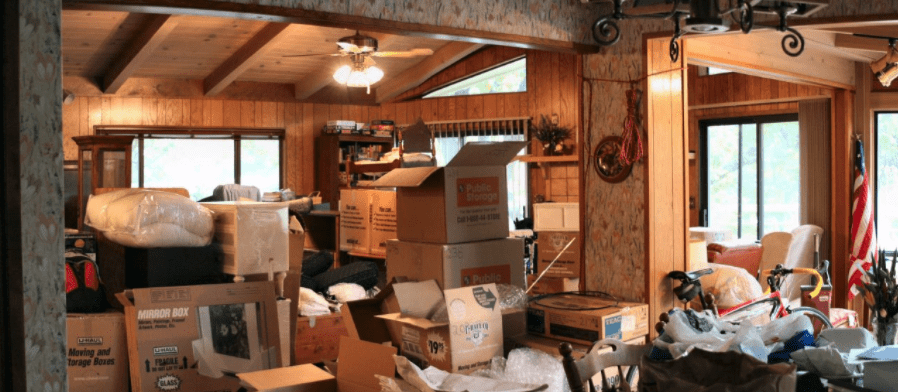
Once you know the waste type, estimate how much you actually have. A small tidy-up might only need a mini skip, while a full renovation or property clean-out will likely need something larger. A good rule is to overestimate slightly, because overfilling a bin can cause problems and may lead to extra charges.
If you are clearing out a garage, spare room, or shed, it helps to think in piles or room sections rather than individual items.
3. Think about weight
Not all waste is equal when it comes to weight. Light waste such as packaging, timber, and mixed household items can usually go in a larger bin without issue, while dense materials like bricks, soil, concrete, and tiles can hit weight limits much faster. That means a smaller bin may sometimes be the smarter choice for heavy waste.
This is especially important for builders and renovators handling demolition debris. If you are dealing with mixed materials, it is useful to understand which types of waste you will be disposing of, so you can match the load to the right bin more accurately.
4. Match the bin to the job
Different projects create different waste patterns, so your bin should suit the job at hand. A home declutter, backyard clean-up, kitchen renovation, and construction project all produce waste in different shapes, weights, and volumes. Choosing the right bin size for the project helps avoid wasted space and wasted money.
5. Check your access space
Before booking, make sure there is enough room for delivery and placement. A skip bin needs clear access for drop-off and pickup, and your property layout can affect the size that will fit safely. Short driveways and limited front-yard space may mean a smaller bin is the better choice.
This is one reason Adelaide customers often choose a bin size that balances capacity with convenience. If access is a concern, it is worth checking where delivery is available across the metro area before you lock anything in.
6. Consider hire length
How long you plan to keep the bin can affect the size that’s right for your project. A quick weekend clean-up may only need a smaller bin, while a longer renovation might benefit from a larger one so you are not constantly running out of space. The right bin size helps keep your site tidy for the full hire period.
Try to finalise your project timeline so you can plan out your hire period before you book. That makes it easier to line up the bin with the work you are actually doing.
7. Compare price and value
The cheapest option is not always the best value if it is too small for the job. On the other hand, paying for a bin that is much larger than you need can push up costs unnecessarily. The best approach is to balance size, weight allowance, and hire duration so you get the most value from your booking.
If price is a key factor, it’s worth reviewing the cost before you book your skip. That gives you a better sense of what size suits your budget as well as your project.
8. Allow room to fill properly
A well-packed bin makes a big difference. Flat items, broken-down boxes, and evenly distributed waste all help you make better use of the space. If you simply throw everything in without a plan, you may need a larger bin than expected.
That is why smart loading matters as much as bin size. When loading waste into your bin, it helps to know how to fill your skip properly so you make better use of every cubic metre and can avoid needing a larger bin.
Choose with confidence
The easiest way to choose the right skip bin is to work through your waste type, volume, weight, access, hire length, and budget before you book. Once you understand those factors, it becomes much easier to match your project with the right bin and avoid unnecessary stress. When you are ready to get started, simply review the available skip bin sizes and make your booking online or by calling (08) 8255 6677.
FAQs
How do I work out what size skip bin I need?
Start by identifying the waste type, then estimate how much space it will take up and how heavy it is. If you are unsure, it is usually safer to choose a slightly larger bin or speak with the team before booking.
What size skip is best for a house clearance?
For most house clearances, a medium to large skip is usually the best fit because household items take up more space than people expect. The exact size depends on whether you are clearing a single room, a garage, or an entire house.
How much is the cheapest skip to hire?
The cheapest skip depends on the bin size, waste type, and hire period. The most affordable option is usually a small mini skip, but the best value still depends on whether it can hold everything you need to remove.
People Also Read
Skip Bin Sizes for Construction Waste: A Guide for Tradies